

What should an event management company deliver?
When the host, venue and suppliers share delivery, each team needs to know what must be ready before its work starts. An operating schedule connects those dependencies to the program and identifies who approves changes.
Agree the deliverables in the proposal: an approved brief, production and event schedules, a responsibility matrix, readiness records and a closeout package suited to the project. Their detail depends on the commission. If your organization holds supplier contracts directly, establish what the organizer can instruct and who can approve an extra charge.
Full-service event management can coordinate several workstreams under one plan. On-site coordination has a narrower boundary: the delivery team needs the approved program, supplier information and venue constraints before taking responsibility. Existing bookings leave questions about testing, handoffs and decisions that still need answers.
Choose a format around what attendees should do
A product demonstration needs time to try the product and receive help. An employee event may need staggered group arrivals around an internal program. Start with the intended participation, then choose the format, venue and measure.
| Format | Decision for the brief | Possible measure |
|---|---|---|
| Product or service launch | Will guests watch or try it? Who supplies a working demonstration? | Completed demonstrations, using an agreed definition |
| Internal corporate event | How will groups arrive, rotate and receive approved messages? | Attendance at sessions and participation in activities, recorded separately |
| Cultural or community event | Who owns content, language versions and permissions? How do visitors move between stations? | Station participation and waiting time over a stated period |
| Event with remote participation | What can remote guests do, and who supports access and interaction? | Remote attendance and interactions, separate from the venue count |
A Saudi National Day workplace program can form part of an institutional brief. Check the identity guidance for the relevant year and obtain host approval for the content. Public entertainment, sports or festival elements need their own activity, supplier and approval assessment. Streaming, talent booking and travel require an explicit scope.
Decide where a specialist workstream belongs
Choose the service by the main task you need delivered. A launch with reception, a presentation and several activities needs coordination across the program. A specialist team may own one part of that event and hand decisions back to the lead organizer.
| Principal task | Appropriate service | Interface with the overall event |
|---|---|---|
| Coordinate a program across several teams and suppliers | Event management and organizing | Shared schedule, operational handoffs and readiness decisions |
| Deliver a conference program or exhibition | Exhibitions and conferences organizing | Sessions or exhibition operations linked to reception and the wider program |
| Deliver protocol, an awards sequence or formal proceedings | Formal ceremonies and celebrations organizing | Ceremony timing, protocol approvals and effects on other workstreams |
| Build one exhibitor's stand | Exhibition stand and booth design and build | Access, build and handover within the exhibition's requirements |
The person approving a speaker's content or the order of recipients may be different from the person coordinating suppliers. Keep those decision rights visible in the shared plan.
Define inclusions and decision owners
For each deliverable, identify the owner, approver and information needed to complete it. Your organization might contract the venue while commissioning the organizer to coordinate access and supplier windows. The contracting party retains responsibility for approving venue contract changes; confirmed restrictions feed into the operating schedule.
| Deliverable | Suggested working owner | Approval and completion evidence |
|---|---|---|
| Objective, program and budget | Client project owner with the organizer | Approved version and defined change limits |
| Venue and supplier schedule | Operations coordinator with supplier leads | Confirmed access, test and handover times |
| Activity or presentation readiness | Named activity lead or supplier | Tested equipment, approved assets and a tested fallback |
| Layout, capacity and venue requirements | Venue representative and relevant specialists | Review of the actual layout and recorded conditions |
| Guest reception and registration | Assigned guest services and registration leads | Arrival instructions, registration test and data access rules |
Appoint the actual owners for your project. Marketing, sponsorship sales, sponsor benefit delivery, ticketing, catering, photography and technical production need separate definitions. Check deliverables, charges and usage rights for each requested workstream; a proposal described as comprehensive still needs an inclusion list.
Plan the attendee journey and each handoff
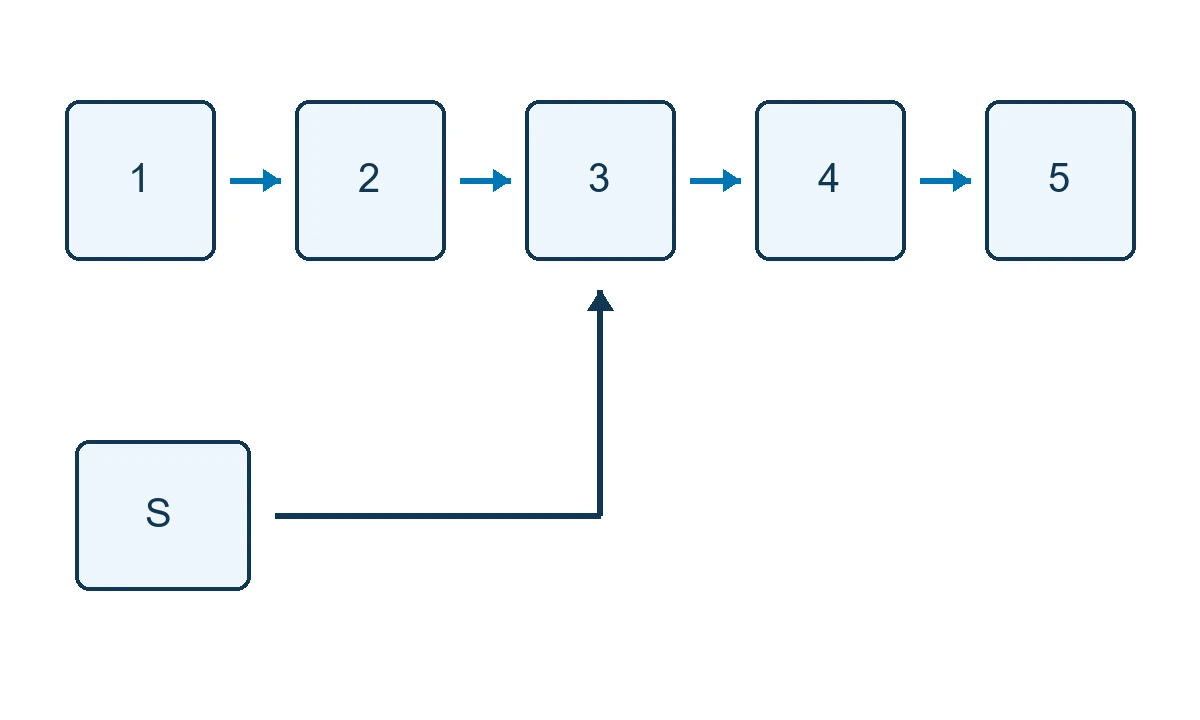
Walk the journey in order: 1 arrival, 2 check-in and assistance, 3 activity participation, 4 movement to the next part of the program, 5 departure. At each transition, identify the instruction the guest receives, who helps and what happens if a station is full. Map supplier access separately and ask the venue lead to review where it meets guest circulation.
Accessibility needs attention from arrival through registration, participation, facilities and departure. Review the actual route with the venue and relevant specialists, including assistance, signs, language and waiting areas. Test the alternate route you intend to use and confirm that reception and floor staff receive the update.
Consider a product launch where a display is delayed before a demo station opens. A handoff record identifies the problem, the person who can authorize an approved substitute, who updates the presenter and reception, and who tests the revised asset and route. Record the test result and opening decision. A backup file still needs to work on the equipment at the venue.
Confirm the venue and supplier assumptions
Request the proposed layout and its approved capacity for the intended use, loading and teardown windows, power, network, audio and available facilities. Adding a station or waiting area can change the usable guest space. Ask the venue to review that change before confirming quantities.
Each supplier needs a contact, arrival window, delivery location, operating requirements and acceptance test. For a network-dependent activity, identify who tests connectivity at the station and provides the agreed support. A venue's general Wi-Fi provision does not establish suitability for that activity.
For an outdoor event, discuss weather conditions, operating limits, alternative space and decision rights with the venue and qualified teams. Indoors, confirm loading, access, height and sound restrictions. Agree how a move or postponement is authorized and how its contractual effects will be handled.
Scope approvals, safety and attendee data
Check the activity category, location, responsible authority and applicable approval route before committing to delivery. Distinguish preparing documents, eligibility to apply, tracking a request and receiving approval. An event may contain several activities with different requirements. Assign a compliance owner to confirm the current position and record each application's status.
The Saudi Fire Protection Code SBC 801 covers fire protection and emergency and evacuation planning. Relevant specialists should establish what applies to the venue and layout, with accessibility reviewed separately. A conceptual operating diagram is not a venue safety approval. Saudi Building Code Center.
Give every registration field a purpose and decide who can access it, how it will be handed over and how long it will be kept. Article 19 of the PDPL Implementing Regulation requires collection and retention of the minimum personal data needed for the purpose. The privacy lead should review notices, supplier sharing, photography permissions and subsequent use. SDAIA's Implementing Regulation.
Move from the brief to event closeout
First establish the objective, audience and decision owner. Review the format, venue and responsibility split so that quantities, hours and deliverables can be priced. Approval of the creative idea leaves those operating decisions to be resolved.
Once scope is agreed, bring supplier confirmations and venue restrictions into one schedule. Link each task to what must be ready before it starts. Set approval dates for content and the program, then rehearse the equipment and team handoffs. Late content can affect testing or supplier hours; put that impact to the approver before accepting the change.
The opening decision should reflect readiness results, required approvals and confirmations from the venue and relevant teams. During delivery, maintain the working schedule and exception record. Closeout covers teardown, venue handback, asset returns and the agreed report, with a recipient and review date for each deliverable.
Compare event management costs on the same scope
Cost depends on the location, build and operating hours, teardown, audience distribution, workstreams, supplier interfaces and staffing by shift. Equipment, registration, media production, catering and transport are priced when included. Identify purchases your organization contracts directly.
Separate the organizer's fee, venue and supplier costs, optional items and allowances. Compare quantities, hours, rehearsals, support and change, cancellation and overtime terms before comparing totals. A smaller staffing allowance only becomes meaningful once you know which roles and peak periods it covers.
Adding a demo station to a launch may require an operator, power, installation time, testing and a revised queue route. The change request should identify those tasks and their approver. Pricing only the device leaves the team to resolve its operating needs later.
Rehearse failures as well as the program
Test two groups arriving close together, the handoff from check-in to an activity and supplier movement during setup. Record the waiting area, the person directing guests and the point at which they escalate to the venue lead. Relevant specialists set limits appropriate to the site.
Simulate a registration interruption with fictional records. Identify who activates the fallback, which fields staff use and how records will be reconciled afterward. Then test a supplier or program delay: who approves the revised schedule, who updates staff and attendees, and which asset or setup needs retesting?
Keep an issue record with an owner, retest result and closure decision. Test the complete sequence, including approval of a change and confirmation that it reaches the teams. The rehearsal should cover what guests will experience, alongside individual equipment checks.
Define measures and handover evidence
Agree definitions before collecting data. Registrations, unique attendees, repeat entries and activity participation describe different things. An attendee may take part more than once. State the source and reporting period for each measure and disclose gaps that affect interpretation.
Choose measures that fit the objective: completed demonstrations for a launch, or waiting time and participation across a station program. Agree the collection method and its limits with the privacy lead. Attendance alone does not establish learning or purchase intent.
The handover can include the executed run of show, exceptions, venue handback, agreed supplier reconciliation, reporting and media cleared for delivery and use. Name the owner of any outstanding item. Handle guest data according to the agreed responsibilities and retention arrangements.
Plan asset returns and reuse during procurement
Check what the venue already provides and which items can be rented or used again. Classify assets as rented, owned and reusable, or consumable. Identify who receives them and who takes responsibility for their destination after the event.
An asset record can include an identifier, description, quantity, condition, return destination and recipient confirmation. Reconcile the installation list against returns and assign discrepancies to an owner. For materials moving to another event, record the transfer and condition.
Use those records to verify what was returned or transferred. A carbon reduction claim or sustainability certification needs its own method and evidence; renting equipment does not establish either.
Apply lessons from documented events
Expo 2025 Osaka: manage the arrival pattern
The organizer's visitor transport report describes date and time reservations to distribute demand alongside transport and traffic measures. It reports operation throughout the Expo without major accidents or incidents due to traffic congestion. That outcome concerns a combined transport system; it does not isolate the effect of reservations. Expo 2025 visitor transportation report.
For a Saudi cultural event with several stations, venue and operations leads could agree arrival waves and a waiting-time threshold for redirection. Rehearse two closely spaced waves, record waiting time and identify who authorizes a redirect. Check that the alternate route remains accessible. The venue sets its own capacity and limits; Osaka's volumes are not a target for this project.
Paris 2024: account for assets after delivery
The IOC's report on Paris 2024 describes extensive rental, reuse, recycling and repurposing, including equipment and clothing donations to local associations. The example concerns Olympic assets in their own operating context. IOC report summary.
For a corporate activation moving between Saudi venues, an asset register could name each item's owner, condition and return or next-use destination. The receiving team reconciles installed items against returns and attaches handover evidence or assigns unresolved differences. The client accepts closeout after checking the reconciliation and transfer records. The Games' emissions figures and outcomes do not establish results for a client's event.
Scope your event with Marafei
Share your organization and work contact, objective, intended audience and estimated attendance, city, date window, venue status and requested workstreams. Identify suppliers already contracted, remaining tasks and the program approver. An indicative budget and known operating constraints can help; keep guest lists and personal documents out of the initial inquiry.
When reviewing proposals, check deliverables, exclusions, quantities and change authority. Ask for an example of a handoff between teams, rehearsal criteria and a closeout list. If you are comparing event management companies in Riyadh, Jeddah or another city, use the same brief and verify venue fit and availability for your dates with each provider.
Marafei scopes planning, management and delivery around those inputs. Project-specific equipment, suppliers, dates, cost and commitments are established in the agreed proposal.