
Skip to content

Archaeological discovery · Virtual reality

Discover the Wonders of the Past with Tomorrow's Technology

A digital journey inspired by the Al-Faw archaeological area, designed to connect visitors with place and historic context while keeping source accuracy and usage rights as explicit validation requirements.

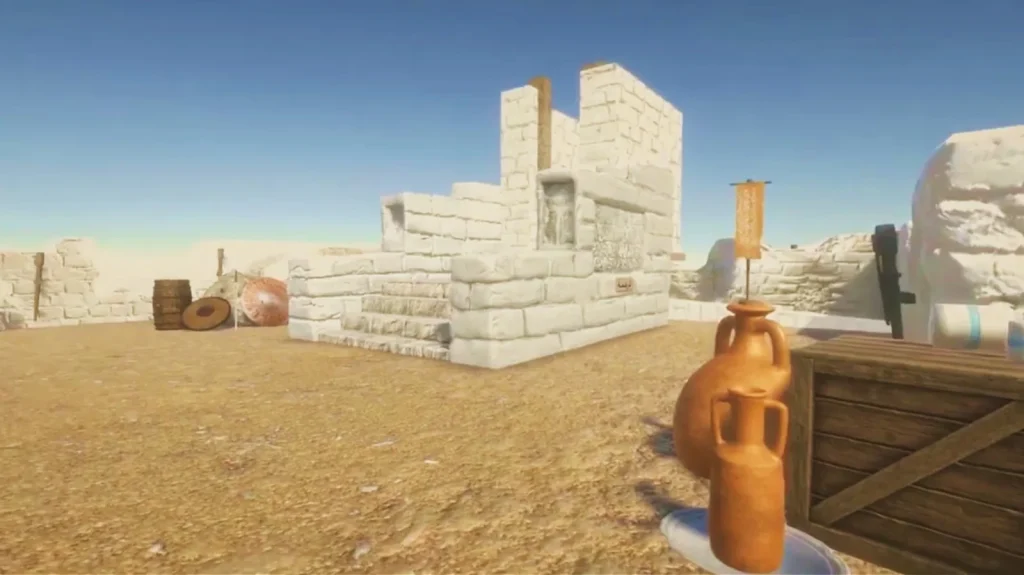
Three-dimensional scene of archaeological buildings and pottery in a virtual reconstruction of Al-Faw
Experience valueConnecting archaeological knowledge to the place that gives it meaning
  • Project typeVirtual heritage experience
  • SubjectArchaeological place and material
  • Place named by sourceAl-Faw archaeological area
  • Interaction modelDigital exploration

Project foundations

When an artifact moves from description into context

The local source describes a virtual-reality experience around Al-Faw, enabling visitors to move through a digital environment and encounter historic material.

The journey places each item within a spatial route: where it appears, what the visitor needs to understand, and what follows next. Information is organized around discovery rather than delivered as a detached list.

The copy does not assume reconstruction accuracy, ownership of digital assets, or archaeological approval. Those require evidence before the experience can be described as a documented reconstruction.

Goal

Bringing archaeological context closer without oversimplifying it

Help visitors understand the relationship between place, material, and story while clearly separating verified facts from visual interpretation.

Target outcome

A virtual journey with an opening, route, and knowledge points that supports exploration and labels the boundary between evidence and interpretation.

  • Journey mapScenes and stopping points organized around the visit objective.
  • Spatial scenesDigital environments approved only after reference and rights review.
  • Knowledge pointsText, imagery, or models connected to the context that explains them.
  • Guidance layerInstructions, movement cues, and alternatives that reduce ambiguity and strain.
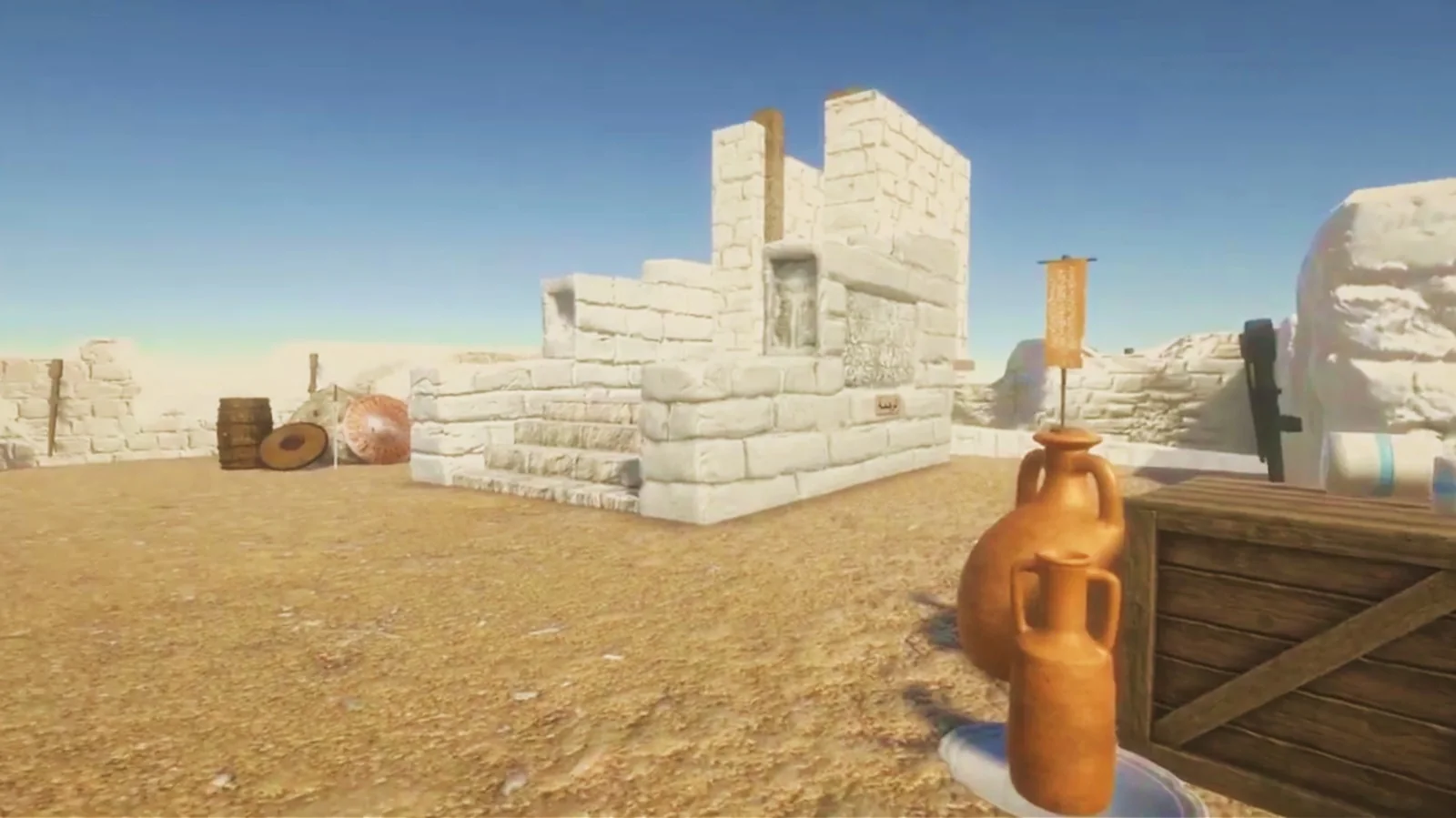
Three-dimensional scene of archaeological buildings and pottery in a virtual reconstruction of Al-Faw
Experience videoNo video source has been provided yet

Video

Watch the exploration route

This area is reserved for a verified tour showing movement and knowledge points; media should load only after user interaction.

No verified video was supplied, so a demo clip or temporary link must not be used.

Request a Project Demonstration

Project album

Scenes from the digital journey

Only images or captures proven to belong to the project and cleared for use are displayed.

Case study

Turning archaeological material into an understandable journey

These remain verification requirements, not claims of an implemented or measured outcome.

An editorial reading of how the published description can become an experience that connects knowledge with spatial context.

The project at a glance

The project proposes virtual access to an archaeological subject. Its value depends on a sequence that explains what visitors see and why it matters while preserving the distinction between evidence and interpretation.

1

Challenge

Enable engaging exploration without presenting visual treatment as complete archaeological documentation or adding unsupported information.

2

Goal

Build a digital journey balancing curiosity, clear knowledge, evidence boundaries, and lawful use of source material.

3

Requirements to verify

These remain verification requirements, not claims of an implemented or measured outcome.

Solution approach

A route that connects evidence to scene

The experience is organized around visitor questions and stopping points rather than a collection of archaeological objects in one digital room.

  • Content authorityNames, dates, locations, and visual details need reviewable sources.
  • Sequence the storyCreate a clear opening and connected thematic stations.
  • Interpretation clarityArtistic treatment must be distinguished from documented material.
  • Connect knowledgePresent information in the relevant spatial and temporal context.
  • Safe useMovement, guidance, and non-immersive alternatives require audience testing.
  • Expose evidence limitsIdentify what is documented and what is visual interpretation.
  • Support different access modesOffer guided and viewable alternatives where needed.
  1. Lock sourcesInventory authorized material and review names and rights.
  2. Structure the journeyTurn the objective into scenes, questions, and knowledge points.
  3. Model and integrateBuild elements and connect narrative and interaction within source limits.
  4. Review the experienceTest accuracy, comprehension, navigation, and accessibility.

Expected value

  • Historic material linked to its place in the journey.
  • A route that welcomes curiosity without losing purpose.
  • Evidence and interpretation remain distinct.
  • Touchpoints can be evaluated if verified data later becomes available.

Evidence boundary

This analysis is inferred from a short DOCX description naming Al-Faw and virtual reality. No archaeological references, approval records, usage data, or outcomes were supplied; it does not prove reconstruction accuracy or implemented interaction with original artifacts.

This analysis is inferred from a short DOCX description naming Al-Faw and virtual reality. No archaeological references, approval records, usage data, or outcomes were supplied; it does not prove reconstruction accuracy or implemented interaction with original artifacts.

Have historic material that needs a journey, not just a screen?

Start with sources, audience, and visit objective, then define an experience that preserves context and makes discovery clear.

Discuss Your Project with Marafei
Three-dimensional scene of archaeological buildings and pottery in a virtual reconstruction of Al-Faw

Don’t hesitate to
contact us.

You can book a demo with us by filling out this information, and we will get in touch with you as soon as possible

Business Hours

Sunday–Thursday
8:00 AM–6:00 PM